








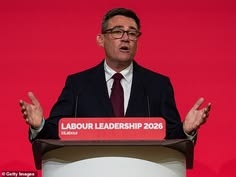
LONDON, United Kingdom, October 6, 2026: Andy Burnham became prime minister in July, and Labour’s poll ratings improved afterwards. Commentators called it the “Burnham bounce.” But the latest polls tell different stories, and the gap between Labour and Nigel Farage’s Reform UK is small enough that the lead changes depending on the pollster and the week. Here is what the numbers show and what they do not.
Where the polls stand
Recent surveys point in different directions.
- Survation (reported September 30): Labour up two points to 29%, Reform UK down one point to 23%.
- YouGov (published the Tuesday before Burnham’s conference speech): Reform UK on 25%, up four points in a week, Labour on 24%, up one, and the Conservatives on 19%, down three. It was the first time in weeks that Reform had led in a poll, and Reform’s deputy leader Richard Tice posted “Burnham bounces down.”
- Poll tracker summary (AOL, October 5): Labour continues to hold a lead over Reform in the polls, and a YouGov poll the week after the conference put Labour ahead for the first time since August.
In short, the two parties are close, and different pollsters and dates give different leaders. Differences of a point or two are within the margin of error.
Why Labour got a lift
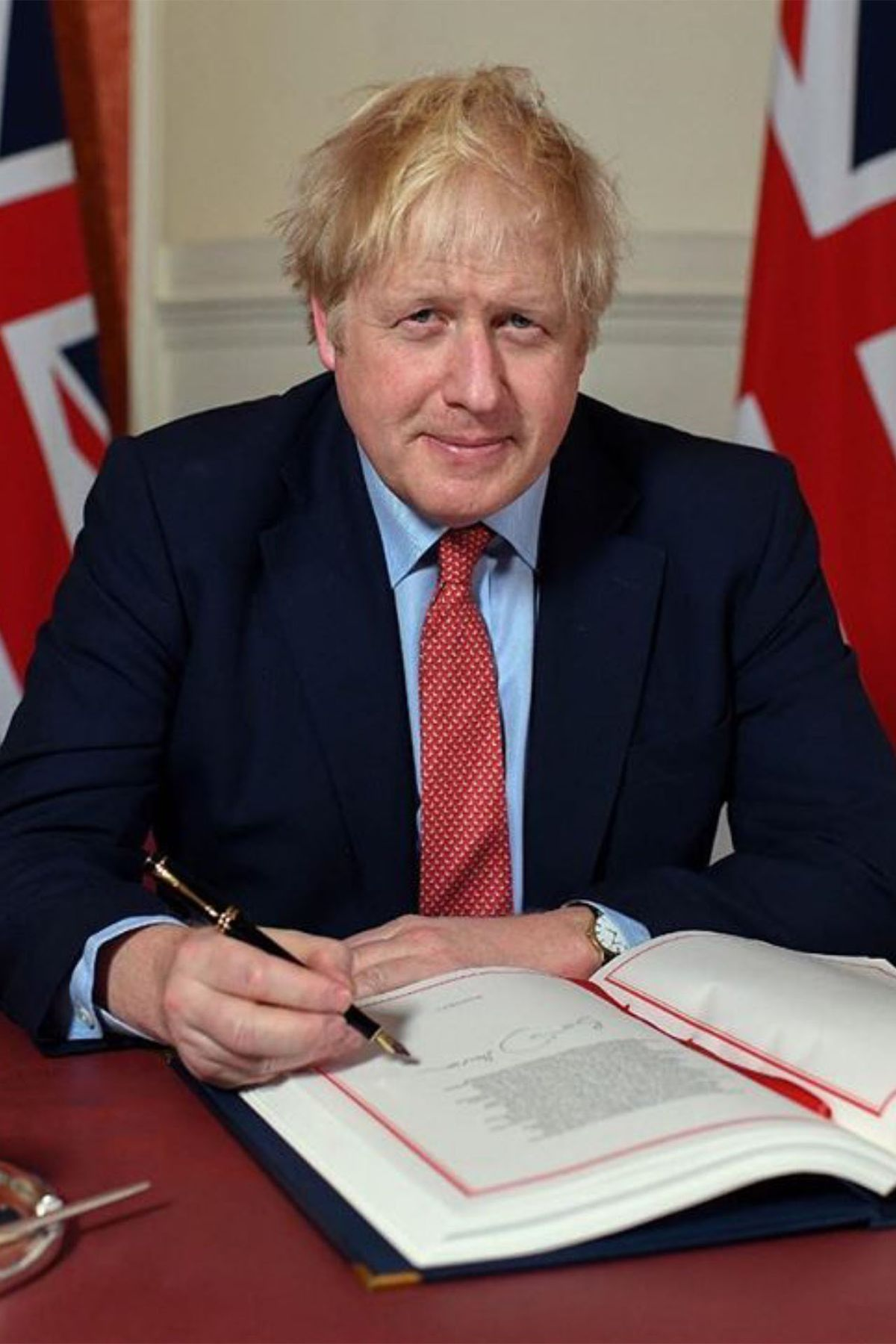
Burnham took office on July 20 after Keir Starmer’s resignation, which followed Labour’s heavy losses in the May local elections. Burnham had been mayor of Greater Manchester and had kept strong approval ratings while Starmer’s declined.
After his first Labour conference speech in Liverpool, he promised to improve cooperation with European partners and said he regretted the harm that Brexit has done to British industries. The poll tracker reports a further boost in support after the speech.
One striking detail is among young voters. Labour’s support among 18- to 24-year-olds rose from 14% to 27% over a few weeks, while only 7% of that age group say they would vote Reform.
What is happening to Reform UK?
Reform did very well earlier in the year. In the May local elections it gained 1,453 councillors, and it performed strongly in areas that voted heavily for Brexit.
Since then, the party has faced a harder summer. Reports describe heightened scrutiny of its finances and what one analyst called recent financial scandals. Farage also still faces the results of a parliamentary standards investigation, according to the AOL poll tracker. The party’s slip in some polls may reflect these problems.
Why the bounce may not last
Several experts are cautious.
Where Labour’s gains come from. Tim Bale, a politics professor at Queen Mary University of London, told Al Jazeera that “very little” of Labour’s recovery comes from Reform voters switching. Instead, it appears to come from voters on the left, such as former Green supporters, returning to Labour. That means Labour has regained its base but has not yet persuaded Reform voters.
Signs of a peak. Pollsters quoted in the AOL tracker warned there would be no benefit in calling an early general election, and some argued the bounce may already have peaked.
Fragile numbers. The YouGov result that put Reform ahead shows how quickly the position can change.
What the polls mean for seats
Britain uses a first-past-the-post system, so vote share does not translate directly into seats. A large “mega-poll” cited by HuffPost suggested a result of Labour 241 seats, the Conservatives 130 and Reform 123, which would leave Labour as the largest party but without a majority. This kind of estimate should be treated with caution, because it is a model, not a prediction, and it was based on earlier data.
For context, Labour won a large majority in July 2024, and the party currently holds about 403 of the 650 Commons seats. The next general election is not due until 2029, so there is plenty of time for opinion to change.
What about the Conservatives?
The Conservatives, led by Kemi Badenoch, have seen a slight increase since Burnham became prime minister, with their average rising to around 20 points since June. The YouGov poll that had Reform ahead showed them dropping three points to 19%, which HuffPost called a bad week for Badenoch. The Conservatives remain well below their historic position, and the three-way fight keeps the numbers tight.
The challenges ahead for Burnham
Burnham’s popularity will be tested by decisions in the coming weeks.
- The Budget on October 28. Chancellor John Healey has to fund expensive promises, including a National Care Service, and any tax rises could affect the polls.
- Cost of living. Energy bills and prices remain a pressure on households.
- Party unity. Labour has been through a leadership change, and keeping MPs united matters.
- Reform’s response. Farage’s party is expected to focus on immigration, taxes and what it calls Labour’s failures.
Why this matters
Polls shape the political mood. They influence how MPs behave, how markets read the stability of the government and how parties choose their messages. A government that feels safe can pursue difficult policies, while one that feels threatened may become more cautious. For voters, a close race between Labour and Reform signals a political landscape that is more fragmented than at any time in decades.
What to watch next
More polls after the Budget. The October 28 Budget is the next major test.
Reform’s finances and Farage’s investigation. Further news could move support either way.
The youth vote. Whether Labour’s gains among younger voters last will be important.
By-elections and local contests. Real votes will give a better guide than polls.
Final thoughts
The “Burnham bounce” is real but fragile. Labour has regained ground on the left, Reform has stumbled during a difficult summer and the Conservatives are stuck near 20%. Yet the lead changes from poll to poll, and the next election is almost three years away. What happens in the coming months, especially on prices, taxes and public services, will matter more than any single survey.
Sources: Al Jazeera (Burnham bounce analysis), AOL/Yahoo UK poll tracker, HuffPost UK, Wikipedia (local election and seat background).