








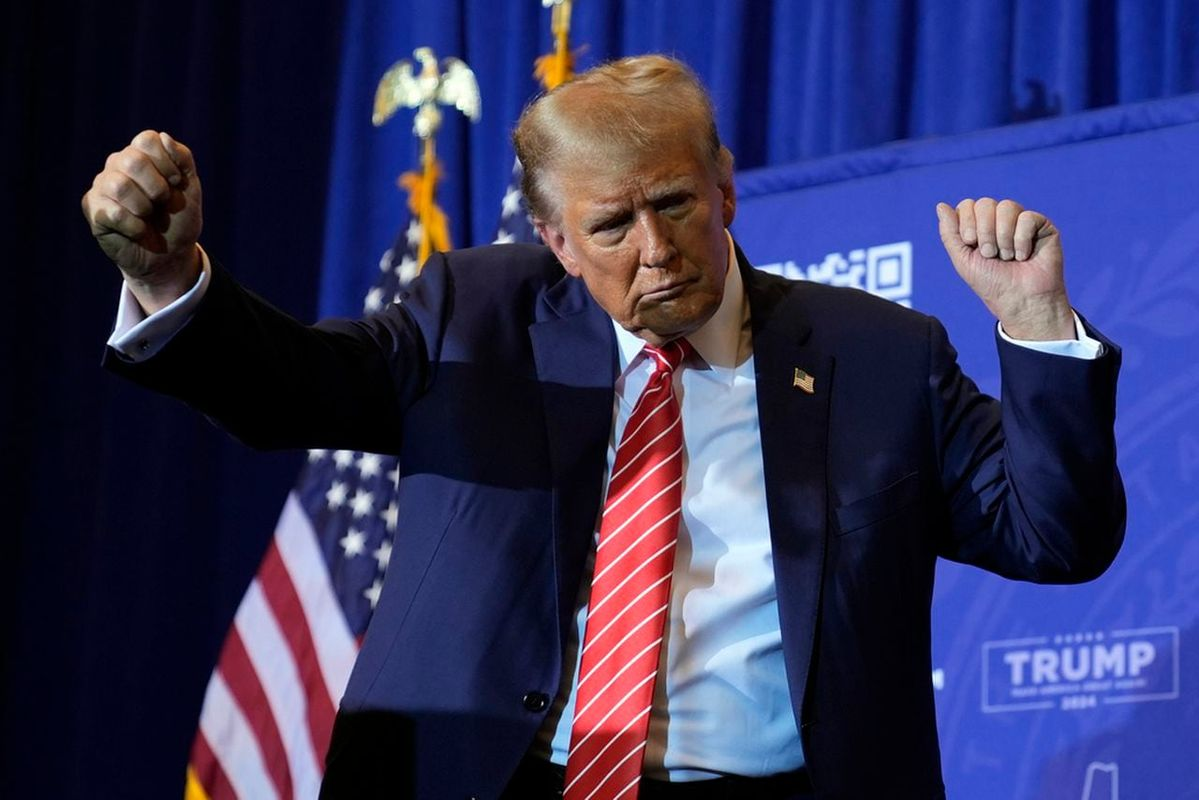
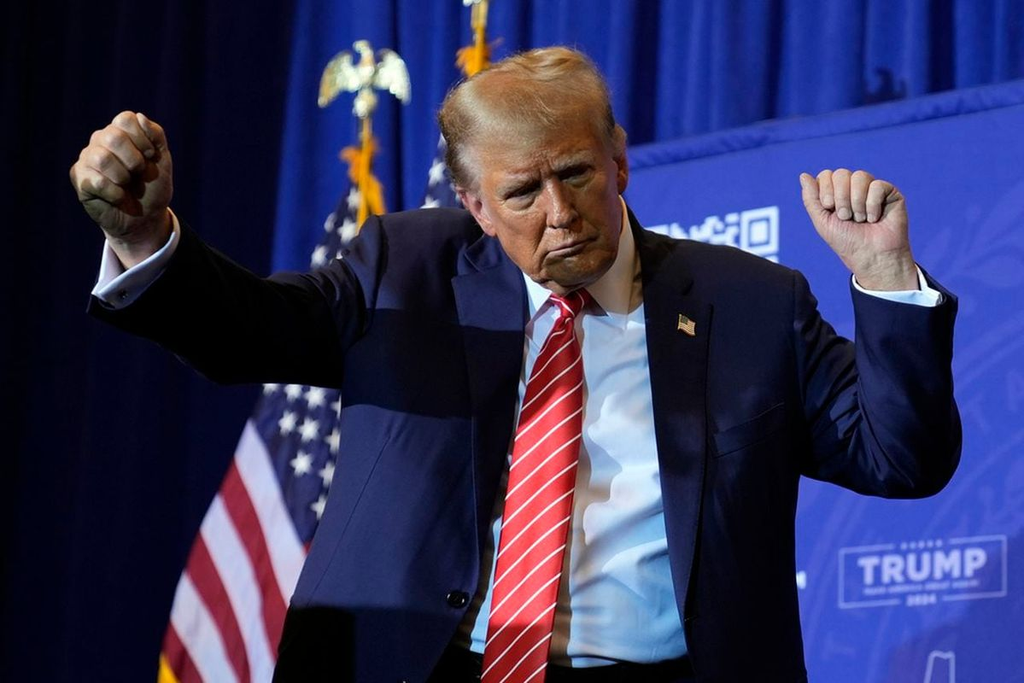
WASHINGTON, United States, October 6, 2026: Four weeks before the Trumo November 3 midterm elections, President Donald Trump is spending much of his time campaigning in states he has won easily in the past. At the same time, his administration is dealing with a controversy over taxpayer-funded television ads, a new payment for older Americans and an ongoing war with Iran. Together, these stories show the pressures on the White House as voters prepare to decide who controls Congress.
Trump takes his campaign to Republican territory
Reports describe a busy October schedule of rallies in red states. On October 3, Trump held a rally in Vandalia, Ohio, where he appeared on stage with Republican Senator Jon Husted. Husted is seeking to keep his seat.
CNN has described the strategy as fighting on home turf while Democratic hopes of a strong midterm result rise. In plain terms, Republicans are spending time and attention defending states that would normally be safe, which suggests the party sees real risk.
Another CNN report, published October 5, describes a “five-alarm fire” facing the president on this red-state tour, and it points to Nebraska, where Trump has been rallying support for Senator Pete Ricketts.
Why beef prices have become a political problem
One of the issues causing trouble is food prices. In August, Trump allowed up to 300,000 metric tons of ground beef to be imported into the United States at lower tariffs. He said the aim was to bring down the cost of beef in grocery stores.
The decision has met fierce opposition from cattle growers in Nebraska. It has also caused controversy in Iowa, Kansas and Texas, which together with Nebraska are the four biggest beef-producing states. All four have competitive Senate races, and Trump won all of them in his three presidential campaigns.
The policy shows the difficult trade-off in the election. Lower tariffs may help shoppers facing high prices, but they can anger farmers and ranchers, who are a core Republican group.
The taxpayer-funded ads controversy
A second controversy is about advertising. The administration produced at least 13 campaign-style television ads promoting Trump and his policies, according to CNN reporting. The ads included a spot called “King of the Jungle” that mixes images of Trump, rallies, lions and eagles. Other ads highlight US military operations in Iran and Venezuela, and one is titled “God Made Trump.”
As of Monday, at least $10.1 million of taxpayer money had been used for the ads. Both Republicans and Democrats had questioned the spending, while the White House defended the ads as public service announcements.
On Monday, Trump announced on Truth Social that he would stop using taxpayer money for the ads and instead pay for them with money raised by MAGA, Inc., a pro-Trump super PAC. The move answers a criticism that came from both parties, although the ads that already aired remain a point of debate.
$90 payments for seniors
Older voters are a key group in any midterm. On Friday, Trump said the administration would send $90 to more than 20 million senior citizens to help pay for Medicare costs. He said the money would come from the Medicare Improvement Fund.
According to a White House fact sheet, eligible seniors would receive the payment by direct deposit in early October, or by paper check if they do not have direct deposit.
Supporters will present this as direct help for people on fixed incomes. Critics may question the timing, so close to an election, and whether the money would be better spent on longer-term healthcare costs. The details of who qualifies are worth checking through official channels.
The Iran war and foreign policy pressure
Foreign policy is also on the president’s desk. On Friday, senior cabinet members met for several hours at Camp David to discuss the war with Iran and the conflict in Yemen between the Iran-backed Houthi militia and the Saudi-backed government army, according to CBS News and other reports. The meeting was not publicly announced. Vice President JD Vance chaired it, with Secretary of State Marco Rubio, Defense Secretary Pete Hegseth and envoy Steve Witkoff among the participants.
The administration has pointed to the danger of a nuclear-armed Iran and the long-term risk to energy prices. The conflict matters for voters because it affects fuel costs and raises questions about how long US forces will stay involved. Foreign wars tend to shape midterm elections through their effect on the economy, as well as through the wars themselves.
Tariffs back in court
Trade policy is another source of uncertainty. CNN reports that Trump’s tariffs are back in court once again. Court decisions on tariffs can change what importers pay and what shoppers see in prices, so each ruling is closely watched by businesses.
What the midterms will decide
All 435 seats in the House of Representatives and a share of the Senate are up for election on November 3. The result will decide whether Trump has a friendly Congress for the final two years of his term or a chamber that can block his agenda and open investigations.
Several themes are likely to matter most:
- Cost of living: food, housing and energy prices tend to dominate midterm campaigns.
- Healthcare and Medicare: seniors are among the most reliable voters, and any policy that affects them gets close attention.
- War and security: the Iran conflict could influence undecided voters in either direction.
- Trust in government spending: the ads controversy feeds a wider debate on how public money is used.
What to watch before November 3
Polling in Senate battlegrounds. If competitive races open up in states that Republicans usually win, the party may have to shift resources.
Beef and farm reaction. Watch whether rural anger over imports changes the numbers in Nebraska, Iowa, Kansas and Texas.
The campaign finance angle. Using MAGA, Inc. money for the ads moves the cost from taxpayers to a political committee, and campaign finance reports will show how much is spent.
War developments. Any ceasefire or escalation in the Iran conflict could quickly change the political mood.
Final thoughts
The stories that matter in American politics this week are a mix of ordinary election-year issues and larger events. Rallies, prices and payments are the stuff of every midterm, while the Iran war and the tariff cases add less predictable factors. How voters weigh these things in four weeks will decide the balance of power in Washington for the rest of Trump’s term.
Sources: CNN, CBS News, Just Security, The National News Desk, Wikipedia (election dates).