









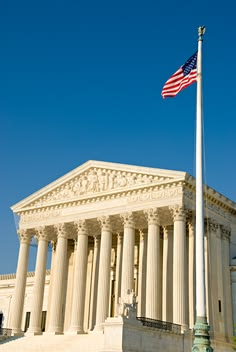
The U.S. Supreme Court has opened its new term with a docket that could have major consequences for climate policy, immigration enforcement, gun rights and other politically sensitive issues. The term began October 5, 2026, and the justices are expected to hear several cases with implications extending well beyond the individual disputes before the court.
Climate change takes center stage
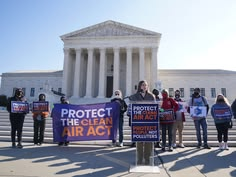
One of the first major cases concerns a lawsuit brought by Boulder County and other local officials in Colorado against ExxonMobil and Suncor Energy. Local authorities argue that fossil-fuel companies should help cover costs associated with climate-related damage, including the growing financial burden of floods, wildfires and other disasters.
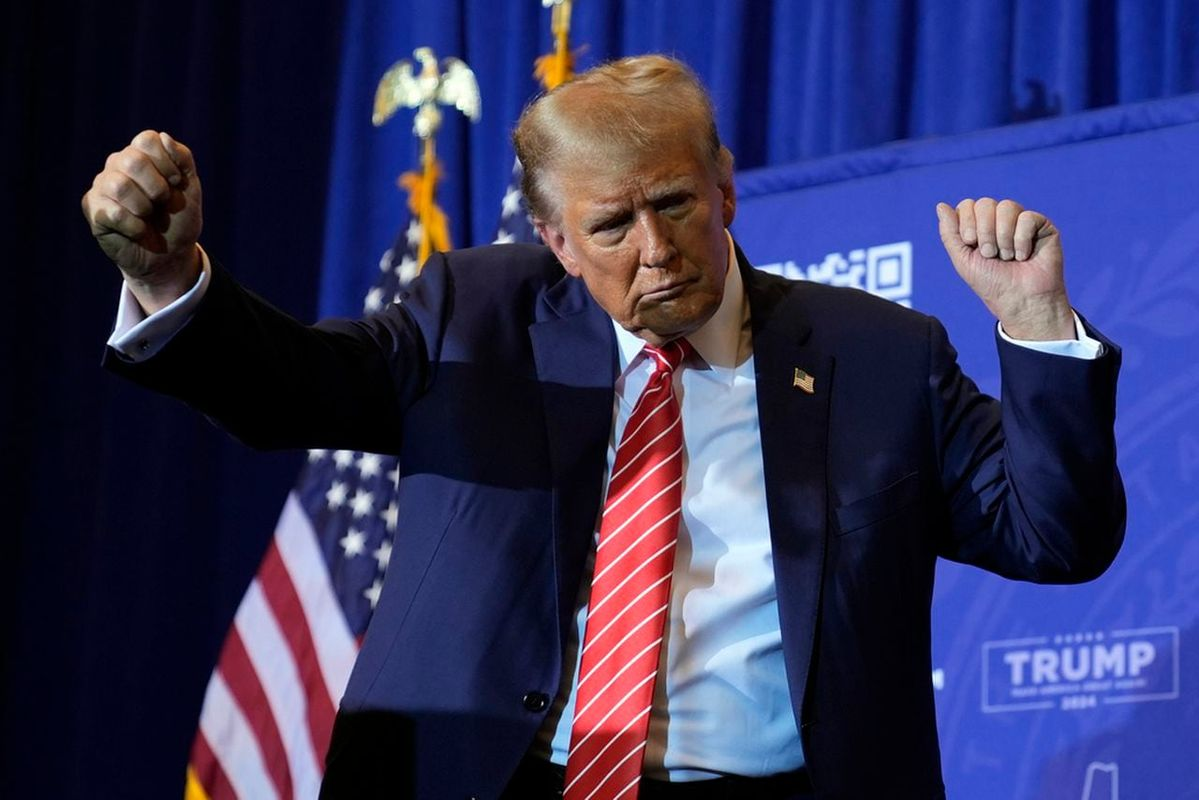
The energy companies are fighting to prevent the lawsuit from moving forward, arguing that federal law and the nationwide nature of climate change make state-court litigation an inappropriate way to address the issue. The Trump administration has also supported the companies’ position.
The case could have consequences far beyond Colorado. Similar climate lawsuits have been filed by communities and governments around the country, meaning a Supreme Court ruling could influence whether many of those cases are allowed to proceed.
Gun rights return to the Supreme Court
Gun rights will also receive significant attention this term. The justices are scheduled to consider challenges to state and local restrictions on semiautomatic rifles, including AR-15-style weapons.
More than a dozen states and Washington, D.C., have restrictions on these firearms. Supporters of the bans argue that the weapons have been disproportionately involved in mass shootings and that restrictions can help reduce gun violence.
Opponents argue that commonly owned semiautomatic rifles are protected by the Second Amendment. The cases will test how the court’s current approach to gun regulations, established after its major 2022 Second Amendment ruling, applies to assault-weapons bans. Arguments are scheduled for December.
Immigration cases could affect Trump’s policies
Immigration is another major part of the new term. The justices are expected to address the Trump administration’s policy of detaining certain immigrants without allowing them to seek bond hearings.
The administration argues that federal immigration law permits mandatory detention for people who entered the United States unlawfully and are facing removal proceedings. Several federal appeals courts, however, have disagreed with that interpretation, creating a significant legal dispute for the Supreme Court to resolve.
Another immigration case involves the government’s practice of deporting migrants to third countries when they cannot immediately be returned to their home countries. Lower courts have allowed some migrants an opportunity to challenge those transfers, while the administration has sought greater authority to carry them out.
Voting and religious freedom are also on the docket
The court’s agenda extends beyond those three major issues. The justices will also consider challenges involving Arizona voting rules, including requirements related to proof of citizenship and voter-roll maintenance.
A separate case involving a Catholic preschool in Colorado will examine the conflict between religious freedom and state nondiscrimination requirements. The dispute centers on the school’s exclusion from a publicly funded preschool program because of its faith-based admissions policies.
With a conservative majority on the bench and cases touching some of the country’s most divisive political issues, the 2026-27 Supreme Court term is likely to attract considerable attention. Some decisions could affect government policy nationwide, while others may determine how much power states and local governments have to regulate issues such as climate liability, firearms and elections.
The court’s official calendar confirms that the October 2026 term began with arguments on October 5, with additional argument sessions scheduled throughout the coming months.