










Introduction

For nearly three decades, the young woman found at the bottom of a cliff in Dana Point, California, was known only as the Dana Point Jane Doe. Despite an investigation, witness interviews, forensic examinations, and attempts to identify her through public appeals, her name remained unknown.
In May 2015, investigators finally confirmed her identity as Holly Jo Glynn, a woman whose friends had spent years wondering what had happened to her.
Her case is a reminder of how unidentified-person investigations can remain unresolved for decades—and how information from friends, forensic evidence, and DNA comparisons can eventually bring answers to families.
Who Was Holly Jo Glynn?
Holly Jo Glynn was born on September 11, 1966. She was 20 years old when her body was discovered in Dana Point, California, on September 20, 1987.
Before her identification, authorities referred to her as Jane Doe 87-04457-EL. The media and members of the public commonly used the name Dana Point Jane Doe.
Although investigators had several clues about her final movements, they initially had no confirmed information about her identity or personal background.
Discovery in Dana Point, California
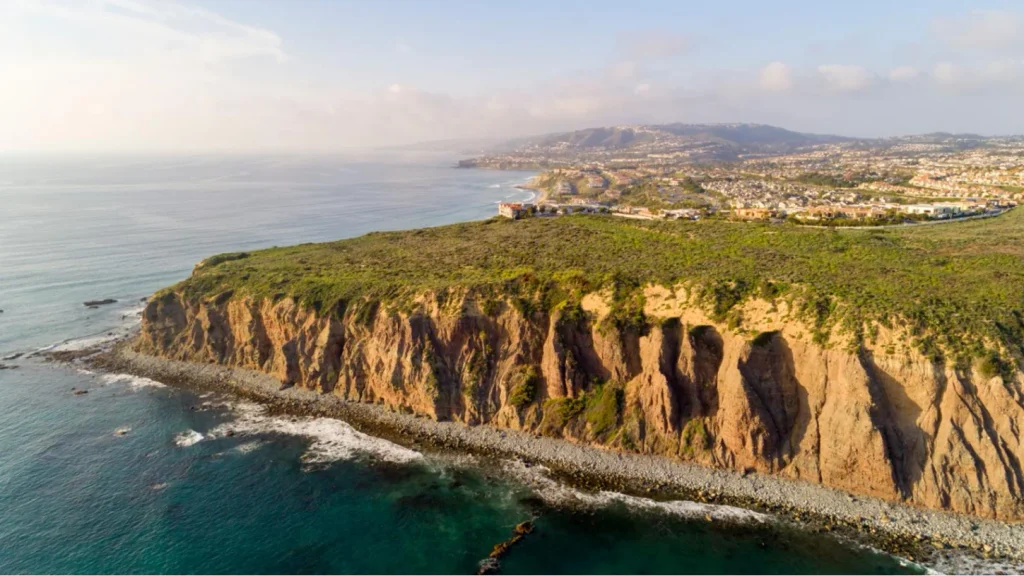
At approximately 6:40 a.m. on September 20, 1987, joggers discovered the body of a young woman at the base of a cliff in Dana Point, Orange County, California.
She had no identification on her person.
Investigators examined the surrounding area and found several belongings near the top of the cliff. These included:
- A partially consumed can of Coca-Cola
- A purse containing a small amount of change
- A packet of cigarettes and matches
- Two maps of Southern California
- Written notes and a local taxi company’s telephone number
The notes on one of the maps suggested that the woman may have been seeking directions before her death. These items became important clues as investigators attempted to reconstruct her movements.
Physical Description and Forensic Findings
The woman was estimated to be between 18 and 23 years old at the time of her death. Investigators described her as approximately 5 feet 3 inches to 5 feet 8 inches tall, weighing around 127 pounds.
She had long strawberry-blond or light-brown hair, freckles, and pierced ears. Examination of her remains also revealed healed acne marks on her upper back and shoulder.
She was wearing a tan dress, men’s underwear, and turquoise-colored canvas shoes. Investigators believed some of her clothing might have been second-hand or hand-me-down items.
Dental examinations identified several fillings in her upper and lower jaw. Investigators also noted evidence that she may have worn braces earlier in life.
Forensic findings suggested that she might previously have been pregnant or undergone a dilation and curettage procedure. These details formed part of the investigative record, but they did not establish her identity at the time.
The Taxi Driver’s Account
One of the most important investigative leads came from the telephone number written on a map found near the cliff.
Investigators contacted the taxi company and spoke with a driver who remembered transporting a woman matching the victim’s description during the early morning hours of September 20, 1987.
According to the driver’s account, he had picked up the woman at a Unocal gas station in Mission Viejo sometime between approximately 3:00 and 4:00 a.m.
She reportedly said that her car had broken down near the station. She asked to be taken toward Laguna Beach, explaining that she had approximately $18 available for the journey.
The driver described her as unusually quiet and unhappy during the trip. He eventually dropped her near the Chart House restaurant, close to Cove Road and Scenic Drive in Dana Point.
He later told investigators that he had last seen her walking in the direction of the nearby cliff.
This account helped authorities establish a possible timeline of her final hours.
Other Witness Information
Investigators also learned that the woman had visited the Unocal station before entering the taxi. She reportedly used the restroom at the premises.
Another witness account came from a nearby Hampton Inn. A hotel employee remembered a woman asking whether there were any high-end hotels in the area.
These observations suggested that the unidentified woman had been moving through the area and asking questions shortly before her death.
However, investigators could not establish why she had traveled to Dana Point or what circumstances had brought her there.
Investigation and Cause of Death
Based on the physical evidence at the scene, investigators believed the woman had climbed over a fence near the cliff before falling.
Her death was officially ruled a suicide. Early discussions also considered whether the fall could have been accidental or whether another person might have been involved, but the case was ultimately classified as a suicide.
Investigators believed she may have initially survived the fall and moved on the ground before dying. The marks left at the scene were among the observations considered during the investigation.
The purse found near the cliff presented another possible lead. It carried the name Carol L. Pinkham. Authorities traced women with that name, but the individuals located were alive.
One woman reportedly told investigators that a purse matching the description had been stolen from her in 1975. This meant the name on the purse did not establish the identity of the woman who had died.
Despite witness accounts and forensic examinations, the investigation did not produce a confirmed identification during the following years.
Why Was the Dana Point Jane Doe Unidentified for So Long?
The woman remained unidentified because investigators had limited information connecting her to a known missing person.
She had no identification with her, and the belongings found near the scene did not reveal her actual name. The name printed on the purse belonged to someone else, while the physical description and composite images did not generate a confirmed identification.
As years passed, the case became one of many unidentified-person investigations requiring renewed attention and modern forensic methods.
A facial reconstruction was also created to help the public recognize her. Later efforts included updated images and renewed appeals for information.
Holly Glynn’s Identification in 2015
The breakthrough came through people who had known Holly before her disappearance.
Several of her former high school friends from Whittier, California, had been unable to contact her for years. They began to suspect that the unidentified woman from Dana Point might be their missing friend.
Their efforts to investigate the possibility reportedly began in 2011. They shared their concerns with missing-person identification networks, including NamUs and the Doe Network.
In 2014, they also contacted Facebook’s Help ID Me initiative to raise awareness of their suspicions.
The information eventually reached the authorities. Investigators contacted Holly’s surviving relatives and obtained DNA samples for comparison.
In May 2015, DNA analysis confirmed that the Dana Point Jane Doe was Holly Jo Glynn.
After 28 years, the unidentified woman finally had her name back.
Cremation and Burial at Sea
More than 20 years before Holly Jo Glynn was identified, her remains had been cremated at a ceremony paid for by Orange County. The cremation reportedly cost $425.
Following the ceremony, her ashes were placed in a cardboard box and buried at sea. At the time, authorities did not know the woman’s identity, and she was still officially recorded as the Dana Point Jane Doe.
When DNA testing confirmed her identity in May 2015, the discovery brought an answer to the mystery of who she was. However, her remains had already been cremated and scattered at sea years earlier.
This detail adds another emotional dimension to the case, illustrating the lasting consequences of unidentified deaths for families and friends.
Read the historical Los Angeles Times report about unidentified people in Orange County.
The Importance of DNA and Public Assistance
Holly Glynn’s identification demonstrated the importance of combining forensic science with information from people who knew the missing person.
DNA comparison provided the formal identification, but the process began with friends who recognized similarities between Holly and the unidentified woman.
Her case also highlights the value of unidentified-person databases, public identification campaigns, and cooperation between families, investigators, and organizations working to resolve missing-person cases.
Conclusion
The story of Holly Jo Glynn is both tragic and significant. She died in Dana Point, California, in September 1987, and remained unidentified for almost 28 years.
Although investigators had gathered witness accounts and physical evidence, her identity was not confirmed until former friends raised their concerns and DNA testing provided the answer in 2015.
Holly’s identification brought an end to the mystery of the Dana Point Jane Doe’s identity. Her case remains an important example of why unidentified-person investigations deserve continued attention, even when many years have passed.
Editorial note: Authorities classified Holly Glynn’s death as a suicide. This article does not present the case as an unsolved murder.