









LONDON, United Kingdom, October 6, 2026: Britain is heading toward a closely watched government Budget later this month, with Prime Minister Andy Burnham and Chancellor John Healey facing pressure to show how Labour intends to manage public finances while supporting economic growth.
The October 28 Budget comes at a difficult moment for the UK economy. Government borrowing costs have risen, energy prices remain a concern and ministers have limited room to increase spending without either raising additional revenue or making cuts elsewhere.
The government is therefore facing a difficult political calculation: how can it fund its priorities, protect household finances and convince financial markets that Britain’s public finances remain under control?
Why the October Budget matters
The Budget will be one of the most important tests of the new Burnham government.
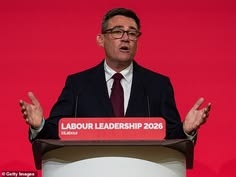
Andy Burnham became prime minister in July after replacing Keir Starmer, promising a more interventionist approach to the economy, stronger regional investment and action on the cost-of-living crisis.
At the Labour Party conference in September, Burnham presented a broad vision focused on reindustrialisation, regional development, public services and reducing household financial pressures.
However, the government has yet to provide complete details on how many of these commitments would be funded. Reuters reported that businesses and lawmakers have been looking for clearer answers on energy prices, investment and economic policy.
That makes the October 28 Budget particularly important.
Government borrowing is becoming a bigger concern
One of the government’s biggest problems is the cost of borrowing.
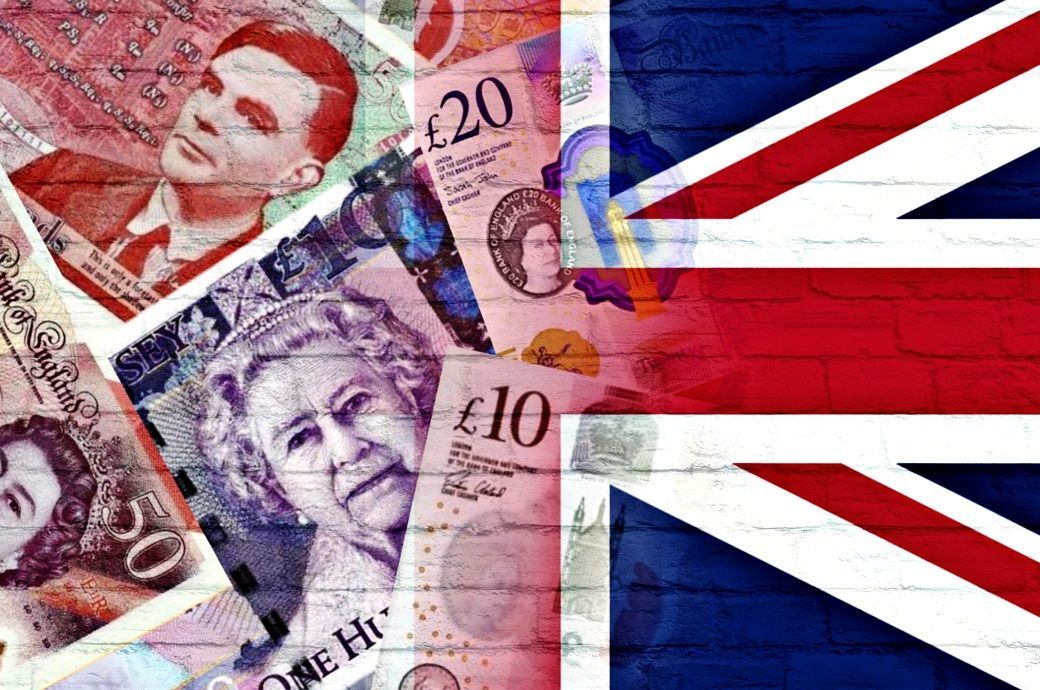
UK government bond yields have risen significantly, with the yield on 30-year government debt reaching around 6%, according to recent reporting. Higher government borrowing costs can make it more expensive for the Treasury to finance existing debt and can also influence borrowing costs elsewhere in the economy.
The problem is particularly important because Britain already has a large public debt burden.
Every additional increase in borrowing costs can put more pressure on the government’s ability to spend money on public services without raising taxes.
That is why the Treasury is expected to approach the Budget cautiously.
Taxes are likely to dominate the debate
The government has not confirmed all of the tax measures that could appear in the Budget, but several possibilities have been discussed by economists and political analysts.
Potential measures include changes affecting wealth, property, capital gains and pensions.
Reuters previously reported that options being considered included changes to taxation of wealth and possible reforms affecting high-value assets.
There is also speculation about changes to capital gains tax, inheritance tax and other areas of the tax system.
However, raising taxes carries political risks.
The government wants to demonstrate fiscal responsibility, but excessive tax increases could hurt household finances and potentially discourage investment.
The pension debate
One particularly sensitive issue is Britain’s state pension system.
The government is under pressure to find long-term savings, and one possibility being discussed is changing the triple lock.
The triple lock currently links state pension increases to a formula involving earnings, inflation and a minimum increase.
Burnham has previously indicated that reforming the system could help finance a proposed National Care Service.
The idea has already generated controversy because pensioners represent an important voting group.
Any major change would therefore require the government to balance the need for savings against concerns about pensioner incomes.
Funding a National Care Service
One of Burnham’s major political proposals is the creation of a National Care Service.
The policy is intended to improve social care and reduce the financial pressure placed on families dealing with elderly relatives and long-term care.
Burnham has acknowledged that such a programme would require difficult financial decisions.
At the Labour conference, he suggested that the government could reconsider the long-standing pension triple lock as part of a broader strategy to finance social care.
The proposal represents one of the biggest potential changes to Britain’s welfare state in years.
But the government has not yet provided a complete long-term funding model.
Cost-of-living pressures remain
The Budget is also being prepared against continuing concerns about household costs.
Energy prices have become particularly important because higher fuel and heating costs can feed into inflation and reduce disposable income.
For the government, this creates a difficult situation.
Cutting taxes could help households but reduce government revenue. Increasing spending could support families but add pressure to borrowing. Cutting spending could improve the government’s finances but potentially weaken public services.
The Treasury therefore has to find measures that provide relief without undermining its fiscal credibility.
Businesses want more clarity
British businesses are also watching the Budget closely.
At the Labour conference, Burnham promised to support reindustrialisation and economic investment.
However, business leaders have questioned how quickly the government can turn those ambitions into concrete policies.
Reuters reported that some business representatives were concerned about the lack of detailed near-term measures on investment and growth.
The government wants companies to invest more in Britain, but businesses are also dealing with high borrowing costs and uncertainty about future taxes and regulations.
That makes the Budget an opportunity for Labour to provide clearer signals about its economic priorities.
Conservatives offer a very different economic approach
The Conservative Party is attempting to position itself as the alternative to Labour’s economic strategy.
At the Conservative Party conference in Birmingham, leader Kemi Badenoch and Shadow Chancellor Andrew Griffith promoted a programme centred on lower taxes, deregulation and reducing the size of government.
The Conservatives have proposed eliminating at least one tax during each future Budget and have discussed measures including changes to stamp duty and inheritance taxation.
The party is also proposing substantial deregulation, arguing that excessive rules make it more expensive for businesses to build homes and invest.
The Conservatives say their approach would encourage economic growth.
Labour argues that cutting regulations and taxes without explaining how the government would replace lost revenue could create another set of financial problems.
Reform UK adds another political complication
The government is not only facing pressure from the Conservatives.
Reform UK continues to compete strongly for voters, particularly over immigration, taxation and public services.
Recent polling showed Labour at 27%, Reform UK at 22% and the Conservatives at 20%. Labour’s lead was its strongest in the polling series since early 2025.
That means the Budget could have consequences beyond economic policy.
If Labour introduces unpopular tax increases or spending cuts, Reform and the Conservatives could use them to attack the government.
If the government produces a Budget that improves confidence and supports households, Labour could strengthen its political position.
The economy needs stronger growth
Another central challenge is Britain’s relatively weak productivity and growth performance.
Burnham has made economic growth one of the central themes of his government.
His administration wants to encourage investment outside London, expand infrastructure and rebuild Britain’s industrial base.
The government has also discussed greater regional devolution, giving local authorities more control over economic development.
But these policies require time.
The immediate problem is that the government needs stronger growth while simultaneously dealing with high borrowing costs and pressure on public spending.
What could happen after the Budget?
The Budget could set the direction of British economic policy for the rest of the Parliament.
If the government prioritises spending increases, it could accelerate investment in public services but face criticism over borrowing.
If it raises taxes, it could strengthen the government’s finances but risk angering households and businesses.
If it cuts spending, it could reassure markets but create political problems for Labour.
The most likely approach is therefore a combination of measures rather than one dramatic change.
What to watch on October 28
Tax changes: Investors and households will be watching closely for increases in capital, property or wealth-related taxes.
Pensions: Any change to the triple lock could become one of the most politically sensitive announcements.
National Care Service: The government will need to explain how its proposed care reforms will be financed.
Energy costs: Measures aimed at reducing household energy pressure could become a major part of the Budget.
Business investment: Companies will be looking for incentives and regulatory changes that make investment in Britain more attractive.
Government borrowing: Financial markets will closely examine whether the government’s plans remain credible.
Final thoughts
The October 28 Budget is shaping up to be a major test for Andy Burnham’s government.
Labour entered office promising a different economic direction, with greater investment, stronger public services and a renewed focus on Britain’s regions. But those ambitions now have to be matched with a credible plan for taxation, spending and debt.
The government has limited financial room, while households remain sensitive to the cost of living and businesses want greater certainty.
For Burnham and Healey, the challenge is not simply to produce a Budget that balances the books. They also need to convince voters, businesses and financial markets that Britain can achieve stronger economic growth without losing control of its public finances.
The decisions announced on October 28 could therefore become one of the defining moments of Burnham’s first year as prime minister.
Sources: UK Parliament House of Commons Library, UK Government, Reuters, Financial Times, The Times, The Guardian and Associated Press