








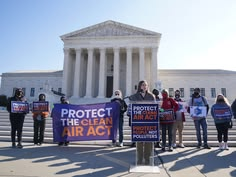
US Supreme Court 2026
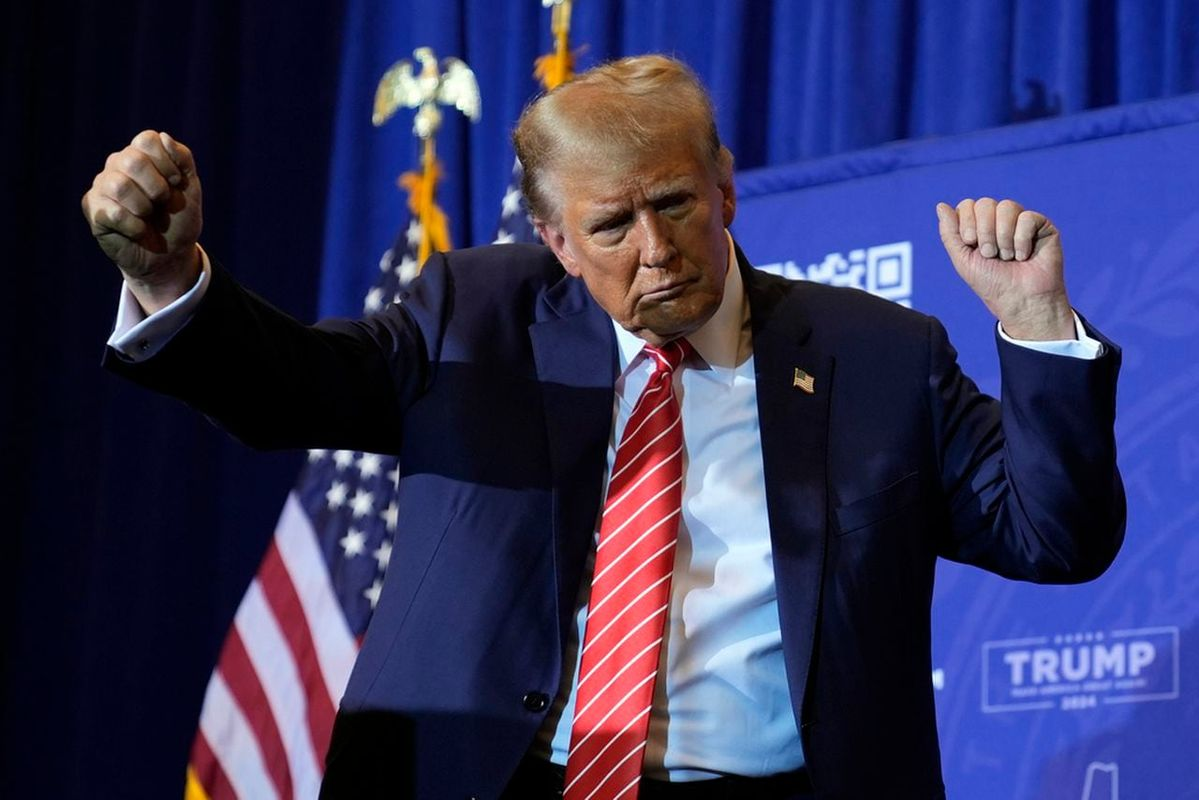
WASHINGTON, United States, October 6, 2026: The Supreme Court began its new term on Monday, October 5, and the docket is packed with disputes that touch daily life. The justices opened with a climate case against two energy companies, and later this autumn they will hear cases on assault-style rifles, religious schools, voter registration and President Donald Trump’s immigration policies. Decisions are expected by the summer of 2027.
The first case: climate change and energy companies
On the first day, the court heard Suncor Energy v. County Commissioners of Boulder County. The city and county of Boulder, Colorado, sued Suncor Energy and Exxon Mobil in state court, saying the companies knew their products would cause harm and deceived the public about the risks for decades. Boulder links that to higher costs from wildfires, floods and extreme heat.
The legal question is technical. The court must decide whether federal law prevents Boulder County from suing in state court and claiming that the sale and allegedly deceptive marketing of fossil fuels violates state law. The justices will also consider whether the Supreme Court has jurisdiction to review the Colorado Supreme Court’s decision to let the lawsuit proceed.
The stakes are large. A ruling for the energy companies would block Boulder’s lawsuit, which is at an early stage and seeks money damages, and it could affect dozens of similar suits brought by states and local governments. The companies argue that allowing such suits would effectively impose a carbon tax on fossil-fuel producers and “bankrupt” the industry. Boulder argues that climate change being a global problem does not stop states from addressing local harms, and says the lawsuit asks only that the companies pay their fair share of local costs.
One notable detail: Justice Samuel Alito will not take part. A letter to the parties did not give a reason, although CBS News noted his 2025 financial disclosure listed stock in two energy companies, ConocoPhillips and Phillips 66.
Religious liberty: a Catholic preschool in Colorado
On November 3, the court will hear St. Mary Catholic Parish v. Roy. A Catholic preschool says it is unlawfully excluded from Colorado’s universal preschool program, which offers up to 15 free hours a week to 4-year-olds. The program has a nondiscrimination rule, and the Archdiocese of Denver asked for an exemption so it could admit only families that follow Catholic teachings, including on gender identity and sexual orientation. The state said no.
Lower courts sided with Colorado, including the 10th Circuit. The case continues a line of rulings on whether religious institutions can take part in state-funded programs while keeping their religious rules. According to the Constitution Center, the court has declined to reconsider its 1990 precedent in Employment Division v. Smith. It will instead look at how Smith and later precedents apply when a government is accused of excluding religious people and institutions from public benefits.
Gun rights: AR-15 bans
On December 2, the justices will hear two consolidated cases, Viramontes v. Cook County and Grant v. Higgins, on bans of AR-15-style semiautomatic rifles. They involve an ordinance in Cook County, Illinois, that is nearly 20 years old, and a Connecticut law tightened after the 2012 Sandy Hook shooting. More than 10 states and the District of Columbia prohibit such weapons.
Lower courts upheld both bans, applying the standard the Supreme Court set in 2022, which requires the government to show that a law fits the nation’s historical tradition of firearm regulation. The court had previously turned away challenges to bans in Maryland and Illinois, which left those restrictions in place, so agreeing to hear these cases is a significant step.
Parental rights and gender identity
On December 7, the court will consider International Partners for Ethical Care v. Ferguson. Washington state expanded exceptions to when youth shelters must notify parents of a runaway teenager. One exception covers a child seeking or receiving medical treatment for gender dysphoria. The question before the court is narrower than many headlines suggest: whether the parents have legal standing to sue. A federal district court and the 9th Circuit both dismissed the case on that ground.
Voting rules: Arizona’s proof of citizenship
On December 8, the court will hear Republican National Committee v. Mi Familia Vota. The case involves an Arizona rule requiring proof of citizenship to register with the state form, as well as the state’s procedures for cleaning voter rolls. Federal law says systematic removals must be finished 90 days before an election. Lower courts, including the 9th Circuit, ruled against the Arizona policies. The case arrives as Trump pushes for a federal proof-of-citizenship requirement.
Immigration: two major cases
The immigration cases are among the most closely watched.
Third-country deportations. On December 9, the court will hear Department of Homeland Security v. D.V.D. A Trump administration policy from March 2025 allows swift removal of migrants to countries they do not come from, if those countries give credible assurances against persecution or torture. Migrants argue that their due-process rights are violated if they get no meaningful notice and chance to challenge the removal. A federal judge in Boston and an appeals court ruled against the policy, but the Supreme Court allowed removals to resume for now while it decides the merits.
Detention without bond hearings. In Rhoney v. Barbosa da Cunha, the court will consider the administration’s policy of holding immigrants who entered the country illegally without bond hearings during removal proceedings. According to CBS News, nine federal appeals courts have ruled against the administration and two have allowed the policy. Arguments are likely early next year.
Cases that may come
The justices could also take up more of Trump’s second-term policies, which would be decided by next summer if accepted. These include the Pentagon policy on transgender service members, the use of acting U.S. attorneys appointed without Senate confirmation, efforts to suspend asylum at the border, and the president’s personal appeal of an $83.3 million defamation judgment in the E. Jean Carroll case. State laws requiring the Ten Commandments in classrooms may also reach the court.
Why it matters
The court’s rulings can reshape policy for the whole country.
- Environment and business: the Boulder case could decide whether energy companies face climate lawsuits in state courts.
- Public safety and gun rights: the AR-15 cases could redefine what states can ban.
- Elections: the Arizona case may influence how states register and verify voters.
- Immigration: the two Trump administration cases will test the limits of detention and deportation powers.
- Religion and education: the preschool case could change how states fund programs that include faith-based schools.
What to watch next
The first argument’s tone. Reports from Monday’s hearing will indicate how the justices view the climate case.
Emergency applications. The court often decides urgent Trump administration requests outside its regular cases.
Election-related timing. With the midterms on November 3, any election-related rulings will be closely watched.
Written decisions. Most major rulings will come in spring and early summer of 2027.
Final thoughts
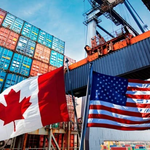
The Supreme Court’s new term follows a year in which it handed down major rulings on presidential power, including its decision limiting the use of emergency powers for tariffs. This term’s docket puts questions about states’ power, individual rights and the executive branch in front of the justices again. For Americans, the rulings that come next summer could affect energy policy, gun laws, voting and immigration for years.
Sources: CBS News, NPR, SCOTUSblog, National Constitution Center, Supreme Court docket summaries.